
Courses
Some recent examples of courses that I have coordinated are outlined below:
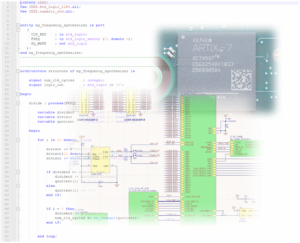
Programmable Digital Systems
This course provides a thorough examination of modern programmable digital systems. The topics covered include: the structure and components of a microprocessor; the C programming language for embedded processor development; interfacing of peripheral hardware to a microprocessor; Field Programmable Gate Arrays (FPGAs), Hardware Description Languages and discrete microcontrollers.
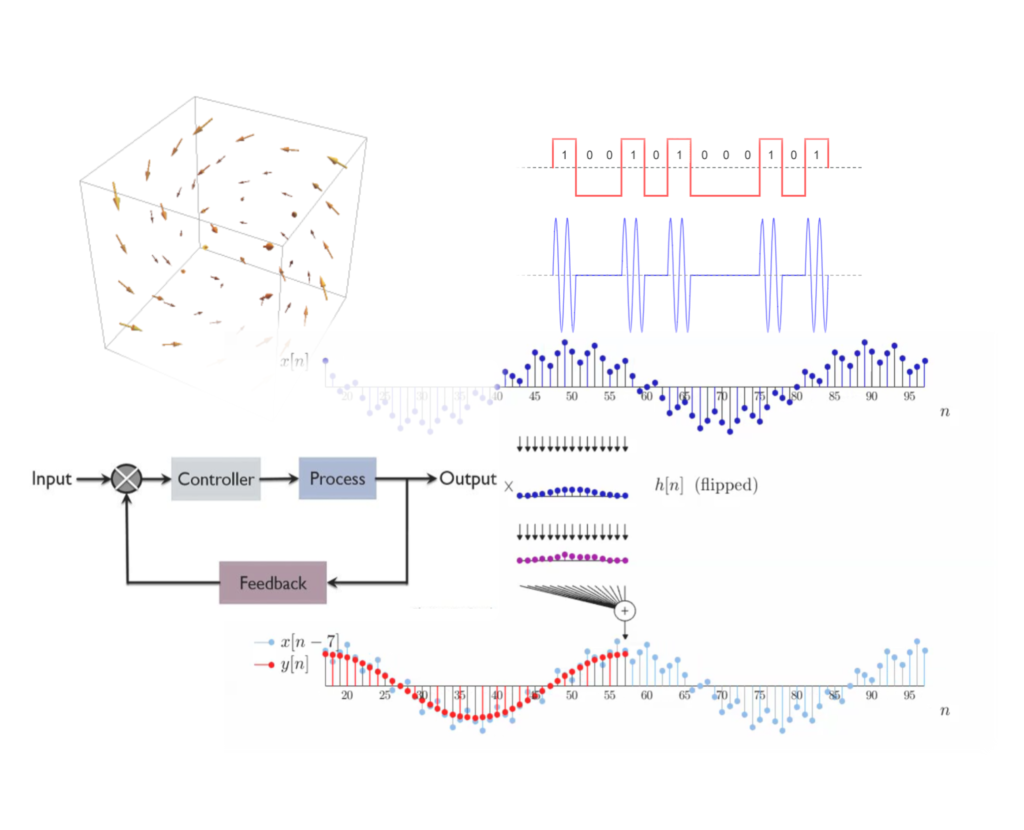
Principles of Electrical Engineering
This course focuses on the understanding of principles of electrical engineering. The course will enable students to study practical electrical circuits and control systems and understand how fundamental concepts in electrical engineering are linked with mathematical tools. The analysis aspects of the course will be relevant to almost every other course in electrical engineering.
The topics covered include: Linear Systems; Convolution; Linear Transforms; The Discrete Fourier Transform; Electric Motors; Communications Systems; Control Systems and Applications of Vector Calculus.
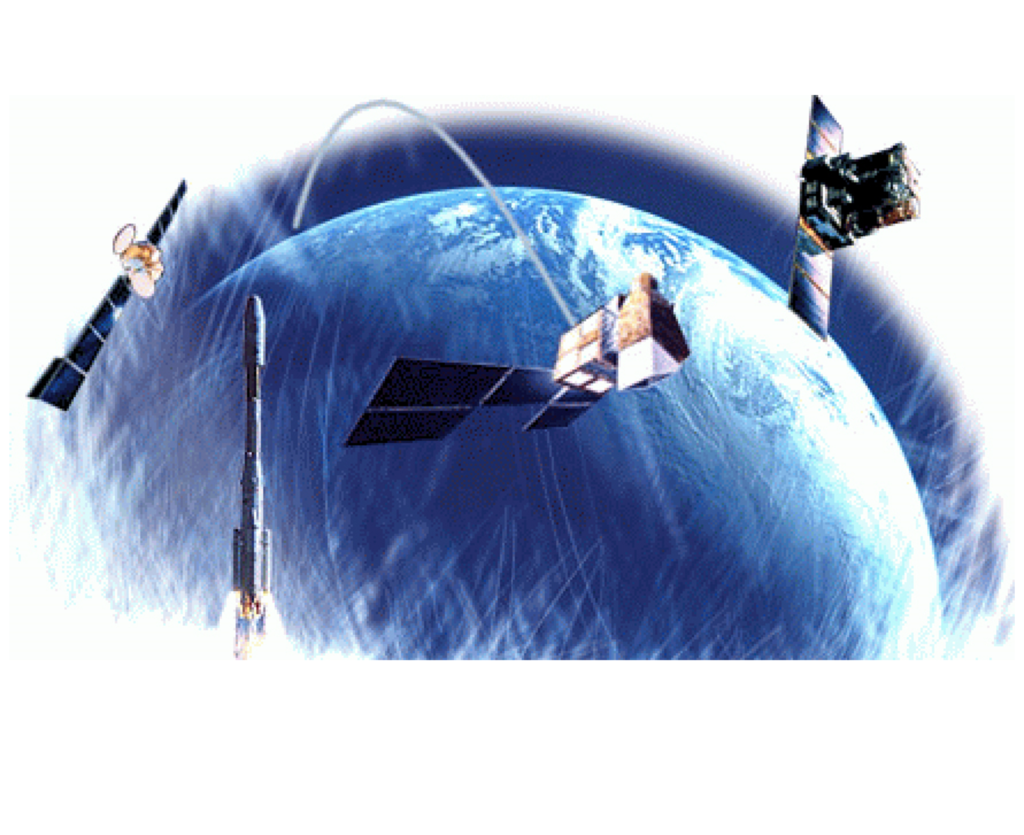
Satellite Communications
This course focuses on the fundamental principles underlying satellite communication systems, treating each with sufficient depth to provide a balanced overview of the constituent system elements. While particular systems are discussed by way of example, the emphasis of the course is on equipping the participant with the sound background knowledge to be able to understand and evaluate such systems.
The topics covered include: Satellite Orbits; Electromagnetic Wave Propagation; Antennas; Modulation and Multiplexing; Channel Coding and Link Budget Analysis.
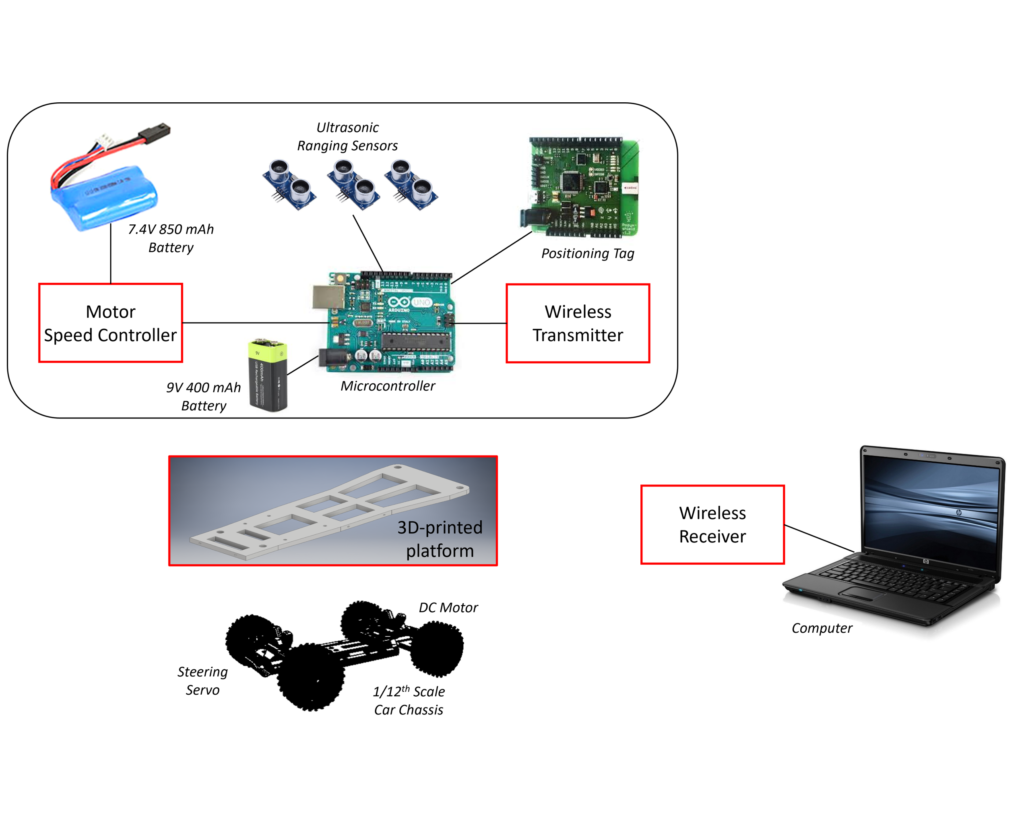
Electrical Engineering Design Practice
This course is designed to further develop skills with the electronic system design process and focuses on the analysis, design, construction, test and evaluation of electronic systems to achieve a user need. On completion of the course students will have had the opportunity to apply electrical engineering discipline and project management skills to achieve the project outcomes.
The course is completely project based and will require students to perform the following tasks: high level functional design; milestone identification; component level analysis; design and development engineering (such as part selection, component pin out and ratings identification, component value calculation, operating point selection, etc).